

 5
5
Welcome to Imperium
Our goal is to help you influence and manage search results before they appear.
Imperium features a dynamic newsfeed that indexes content created by our users, allowing you to search for keywords and topics much like a search engine. You can follow and monitor news related to a person, place, event, industry, company, product, or virtually any topic of interest, with continuously updated content.
Our platform also empowers you to create and share content with the world. You can publish posts directly to the Imperium newsfeed, partner news publications, Google News-approved publications, press release distribution channels, or top-tier media outlets. Each post costs credits.
For users who want more access, the Imperium All-Access Pass is available for $19.99 per month and includes 20 posting credits. Our platform also integrates with major social media networks, allowing you to distribute content simultaneously across multiple channels.
Content published through Imperium may be discovered by search engines, AI systems, large language models, and our network of partner publications, helping maximize visibility and reach.
If you have questions or need assistance, our chat portal becomes available once you subscribe to the Imperium All-Access Pass.
To maintain a safe and welcoming environment, profanity and inappropriate content are prohibited. We have also implemented Safe Search protections for users under 18 years of age.
Imperium allows you to create and manage multiple profiles, giving you the flexibility to separate different interests, brands, or projects. We encourage creativity and innovation, powered by both your imagination and our AI tools.
Welcome to the future of content creation and online influence.
View Post
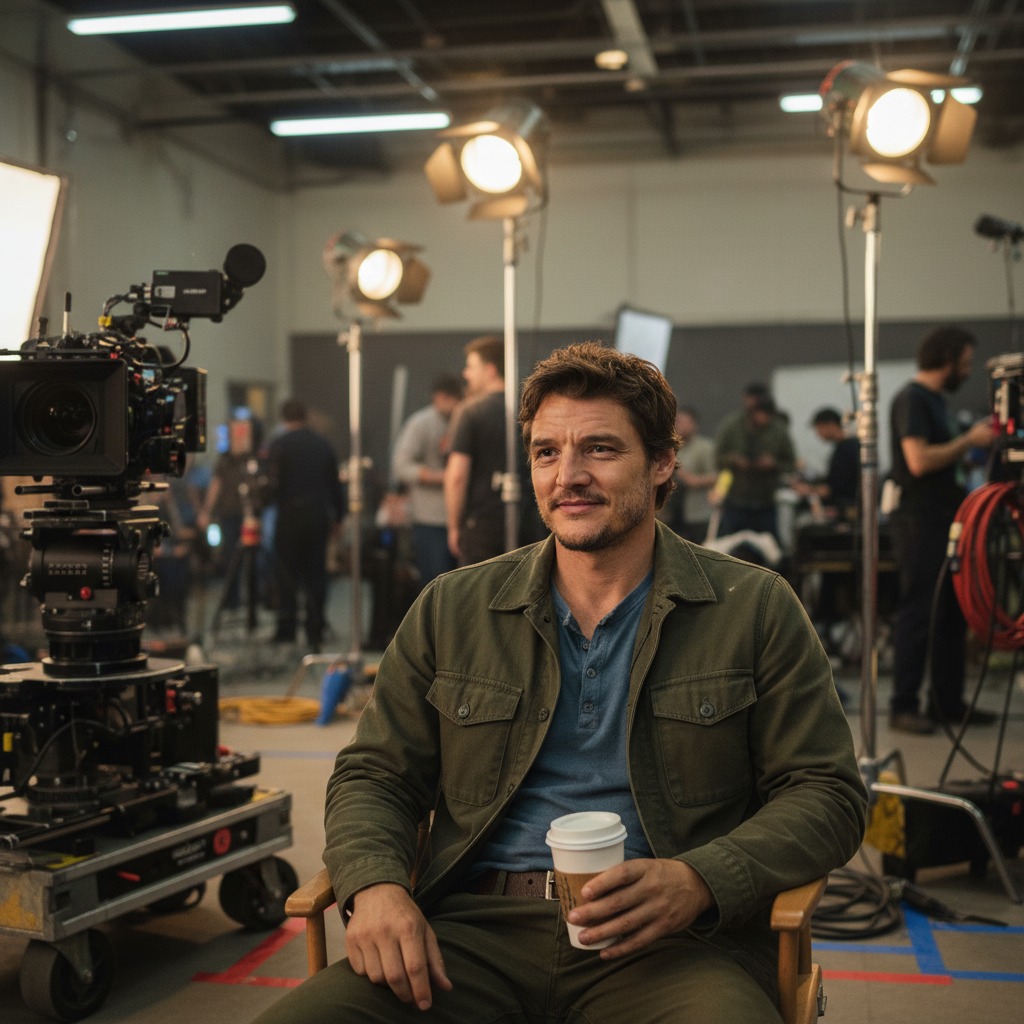
Pedro Pascal Between Takes
 Zara Bennett
3 weeks ago
Zara Bennett
3 weeks ago
Pedro Pascal sits near the edge of a film set with a paper coffee cup in hand, looking relaxed in the brief interval before the machinery starts again. Warm practical lights glow behind him, camera equipment waits in soft focus, and the scene carries the lived-in calm of a workplace that has become temporary family. It is a modest image, but it explains much of why Pedro Pascal has become such an unusually beloved screen presence.
Pascal brings warmth to roles that could easily collapse into archetype. He can play protectors, survivors, rogues, and haunted men without reducing them to armor. The face often carries fatigue, wit, and guarded affection at once. Pedro Pascal has a gift for making genre feel human, grounding large worlds through small reactions that suggest a life continuing beyond the frame.
That talent has helped him move across prestige television, franchise storytelling, and film with uncommon fluidity. The industry often separates seriousness from popularity, but Pascal has made the boundary feel less useful. He can carry mythic stakes while still giving a scene the looseness of conversation. Audiences respond because Pedro Pascal makes heroism look less like certainty and more like persistence under pressure.
His public persona deepens that connection. Interviews, red carpets, and behind-the-scenes moments reveal a performer who seems both amused by attention and careful with it. The coffee between takes is not a grand statement, yet it fits the larger impression: generous, tired, funny, professional, and alert to the people around him. Pascal has become a star partly because he does not flatten himself into untouchability.
The future offers him a wide field. More leading roles will test how far that mixture of tenderness and grit can travel, while ensemble work will continue to benefit from his ability to shift the emotional temperature of a scene. Pedro Pascal appears ready for both. In the quiet between takes, Pedro Pascal looks less like an actor waiting for direction than one gathering the next layer of a character already forming.
That patience may be his greatest advantage. Pedro Pascal can command attention without forcing it, which lets directors place him inside worlds that might otherwise overwhelm character. Whether the setting is intimate or immense, Pascal tends to find the human pressure point, the small sign that makes the fiction breathe.
It is a star quality built from attention rather than distance, and that makes the pause between scenes feel unusually revealing.
Los Angeles, CA
Pedro Pascal Between Takes
Zara Bennett
3 weeks ago
Pedro Pascal sits near the edge of a film set with a paper coffee cup in hand, looking relaxed in the brief interval before the machinery starts again. Warm practical lights glow behind him, camera equipment waits in soft focus, and the scene carries the lived-in calm of a workplace that has become temporary family. It is a modest image, but it explains much of why Pedro Pascal has become such an unusually beloved screen presence.
Pascal brings warmth to roles that could easily collapse into archetype. He can play protectors, survivors, rogues, and haunted men without reducing them to armor. The face often carries fatigue, wit, and guarded affection at once. Pedro Pascal has a gift for making genre feel human, grounding large worlds through small reactions that suggest a life continuing beyond the frame.
That talent has helped him move across prestige television, franchise storytelling, and film with uncommon fluidity. The industry often separates seriousness from popularity, but Pascal has made the boundary feel less useful. He can carry mythic stakes while still giving a scene the looseness of conversation. Audiences respond because Pedro Pascal makes heroism look less like certainty and more like persistence under pressure.
His public persona deepens that connection. Interviews, red carpets, and behind-the-scenes moments reveal a performer who seems both amused by attention and careful with it. The coffee between takes is not a grand statement, yet it fits the larger impression: generous, tired, funny, professional, and alert to the people around him. Pascal has become a star partly because he does not flatten himself into untouchability.
The future offers him a wide field. More leading roles will test how far that mixture of tenderness and grit can travel, while ensemble work will continue to benefit from his ability to shift the emotional temperature of a scene. Pedro Pascal appears ready for both. In the quiet between takes, Pedro Pascal looks less like an actor waiting for direction than one gathering the next layer of a character already forming.
That patience may be his greatest advantage. Pedro Pascal can command attention without forcing it, which lets directors place him inside worlds that might otherwise overwhelm character. Whether the setting is intimate or immense, Pascal tends to find the human pressure point, the small sign that makes the fiction breathe.
It is a star quality built from attention rather than distance, and that makes the pause between scenes feel unusually revealing.
Los Angeles, CA
 2
2
Comments
No comments yet.